
Getting arrested for a 3rd degree DWI MN charge can feel overwhelming, especially if you’re unsure how it differs from a first-time offense or what steps to take next. While it may not be a felony, a 3rd degree DWI in Minnesota is a gross misdemeanor and carries serious legal and personal consequences. Knowing how to respond—and when to contact a defense attorney—can make a significant difference in your outcome.
- Escalated charges: A 3rd degree DWI includes aggravating factors like high BAC, test refusal, or a prior DWI.
- Jail and license penalties: These charges carry longer jail sentences and longer revocation periods.
- Legal guidance is critical: A skilled defense attorney can help you navigate complex laws and reduce long-term consequences.
What Is a 3rd Degree DWI in Minnesota?
In Minnesota, DWI offenses are categorized by degrees. A 3rd degree DWI is more serious than a 4th degree (typical first-time offense) because it involves one or more aggravating factors. These factors elevate the charge from a misdemeanor to a gross misdemeanor, which increases the potential penalties significantly.
Common Aggravating Factors
- A prior DWI conviction or license revocation in the past 10 years
- Refusal to submit to a chemical test
- A blood alcohol concentration (BAC) of 0.16% or higher
- A child under age 16 in the vehicle (if the driver is more than three years older than the child)

Potential Penalties for a 3rd Degree DWI
A 3rd degree DWI in Minnesota is classified as a gross misdemeanor, meaning the penalties are more severe than a first-time (4th degree) charge.
Criminal Penalties
- Jail time: Up to 1 year in jail
- Fines: Up to $3,000 in criminal fines
- Probation: Often ordered instead of full jail time, but with strict conditions
- Mandatory alcohol education or treatment programs
Administrative Penalties
Separate from court-imposed penalties, the Minnesota Department of Public Safety imposes administrative consequences:
- License revocation: Often 1–2 years, depending on BAC and whether you refused testing
- License plate impoundment: If the vehicle was registered in your name
- Ignition interlock: Required for license reinstatement in many cases
6 Steps to Take After a 3rd Degree DWI Arrest
When facing a gross misdemeanor DWI charge, it’s critical to act quickly and protect your legal rights. Here are six steps you should take as soon as possible.
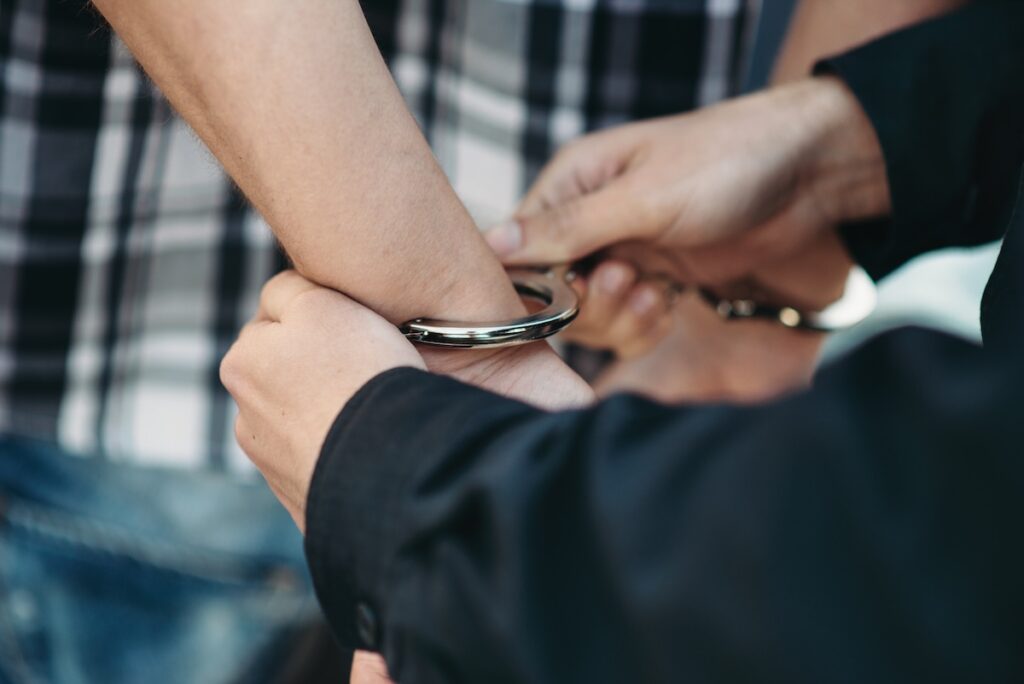
1. Hire an Experienced DWI Attorney Immediately
A 3rd degree DWI is not a minor offense. You are now dealing with a gross misdemeanor that can affect your freedom, license, finances, and record. An attorney can evaluate the evidence, determine if your rights were violated, and develop a strategy to reduce or dismiss the charges.
- Why it matters: Without legal help, you may face avoidable jail time or license penalties.
- Josh Johnson advantage: As a defense attorney focused exclusively on Minnesota criminal law, Josh brings deep experience in DWI cases.
2. Request an Implied Consent Hearing
In Minnesota, if your license is revoked due to a DWI arrest, you have 60 days to challenge the revocation through a court hearing. This is separate from your criminal case and must be requested quickly.
- Why it matters: If you don’t request the hearing, you lose your chance to contest the license loss.
- What’s at stake: You could face up to 2 years without a valid license, depending on circumstances.
3. Gather and Preserve Evidence
Documentation can be key to your defense. Keep any receipts, witness contact information, or photos from the day of the incident. Your attorney will also review the police report, squad car video, and body cam footage, if available.
- Digital records: Save any texts or messages that could help establish your version of events.
- Police procedures: Your lawyer will check for errors in how field sobriety or chemical tests were conducted.
4. Understand the Role of Ignition Interlock
To regain driving privileges after a 3rd degree DWI, you may be required to install an ignition interlock device. This system requires you to test your BAC before starting the car.
- Early reinstatement: In many cases, this allows you to resume limited driving sooner.
- Strict compliance: Any failed tests or tampering can lead to longer revocation or new charges.
5. Comply With Court Orders and Conditions
Depending on your release terms, you may be required to attend alcohol treatment, abstain from drinking, wear a SCRAM bracelet, or undergo regular testing. Violating any of these can lead to additional penalties, including jail time.
- Stay informed: Your attorney will help you understand all court conditions and how to stay compliant.
- Be proactive: Showing the court you’re taking the charge seriously can help your case.
6. Prepare for Long-Term Impacts
A 3rd degree DWI will remain on your record for 10 years and may impact employment, housing, and insurance rates. However, certain outcomes—like reduced charges or a stay of adjudication—may limit long-term consequences.
- Avoid repeat offenses: Future DWI charges carry harsher penalties and fewer options.
- Ask about expungement: In some cases, a record may be sealed after time and compliance.

The Value of Legal Defense in Gross Misdemeanor DWI Cases
Many people assume there’s nothing they can do after a DWI arrest—but that’s simply not true. In many cases, the arresting officer may have made procedural mistakes, or the testing process may be flawed. A skilled DWI attorney can identify these problems and use them to challenge the charges or seek a more favorable outcome.
- Challenge improper stops: Was there reasonable suspicion to pull you over?
- Review testing procedures: Were field sobriety and breath tests administered correctly?
- Explore alternatives: In some cases, plea negotiations or court programs can reduce the charge or penalties.
Get the Defense You Deserve
If you’re facing a 3rd degree DWI in MN, the decisions you make today will shape your future. These charges are serious, but with experienced legal help, you have options. Josh Johnson focuses exclusively on defending clients charged with DWI and other criminal offenses in Minnesota. He knows the system, the local courts, and how to build a strong defense.
Don’t wait to take control of your case. Contact The Law Offices of Josh Johnson today for a free consultation and protect your rights, your license, and your future.
