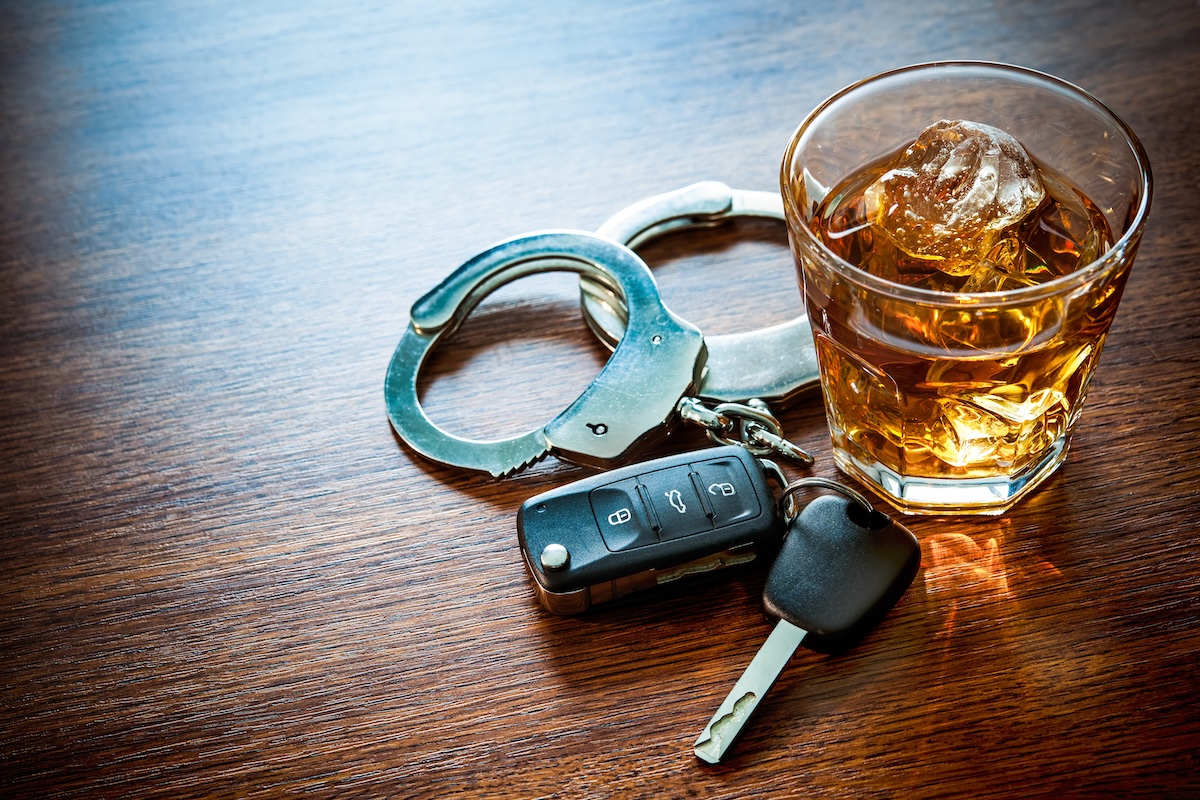
If you are facing a 4th degree dwi mn charge, it is important to understand what this level of offense means under Minnesota law and what consequences may follow. A fourth-degree DWI is typically the lowest level DWI charge in Minnesota, but it is still a criminal offense that can result in jail time, fines, and license consequences.
- Lowest level DWI charge: Fourth-degree DWI is usually charged for first-time offenses without aggravating factors.
- Still a criminal offense: A conviction results in a permanent record unless later expunged.
- Penalties can include jail and fines: Even first-time offenses carry potential consequences.
- License impact is immediate: Administrative penalties often begin before the court case is resolved.
Understanding how fourth-degree DWI works can help you make informed decisions about your situation.
What Is a 4th Degree DWI in Minnesota?
In Minnesota, impaired driving offenses are governed by Minnesota Statute § 169A.20. A fourth-degree DWI is typically charged when a person:
- Operates or is in physical control of a motor vehicle
- While under the influence of alcohol, drugs, or a combination of both
- Or has a blood alcohol concentration (BAC) of 0.08 or higher within two hours of driving
A fourth-degree DWI applies when there are no aggravating factors present. Aggravating factors include:
- A prior DWI-related offense within the past 10 years
- A BAC of 0.16 or higher
- Having a child under age 16 in the vehicle
If any of these factors are present, the charge is elevated to a higher degree.

Criminal Penalties for a 4th Degree DWI
A fourth-degree DWI is classified as a misdemeanor in Minnesota. Under Minnesota law, the maximum penalties include:
- Up to 90 days in jail
- A fine of up to $1,000
- Or both jail time and a fine
In many first-time cases, courts may impose probation instead of jail time. However, this depends on the circumstances of the case and the individual’s record.
Additional court-imposed conditions may include:
- Alcohol or chemical dependency assessments
- Completion of educational or treatment programs
- Community service
- Compliance with probation terms
Even without jail time, a conviction can still carry lasting consequences.
License Consequences and Administrative Penalties
In Minnesota, DWI cases involve both criminal penalties and administrative actions through the Department of Public Safety. These administrative penalties can begin shortly after an arrest.
For a typical fourth-degree DWI:
- License revocation: Usually 90 days for a first offense
- Shorter revocation period: May be reduced to 30 days in certain cases
- Possible limited license: Drivers may qualify for a restricted license for work or essential needs
These penalties are separate from the court case. This means your license can be revoked even if your criminal case has not yet been resolved.
What Does “Physical Control” Mean?
Minnesota law allows a DWI charge even if the vehicle is not moving. A person can be charged if they are in physical control of a vehicle while impaired.
This can include situations where a person:
- Is sitting in the driver’s seat
- Has access to the keys
- Is in a position to operate the vehicle
Courts look at the total situation to determine whether the person had the ability to operate the vehicle. This is why DWI charges can sometimes occur even when the vehicle is parked.
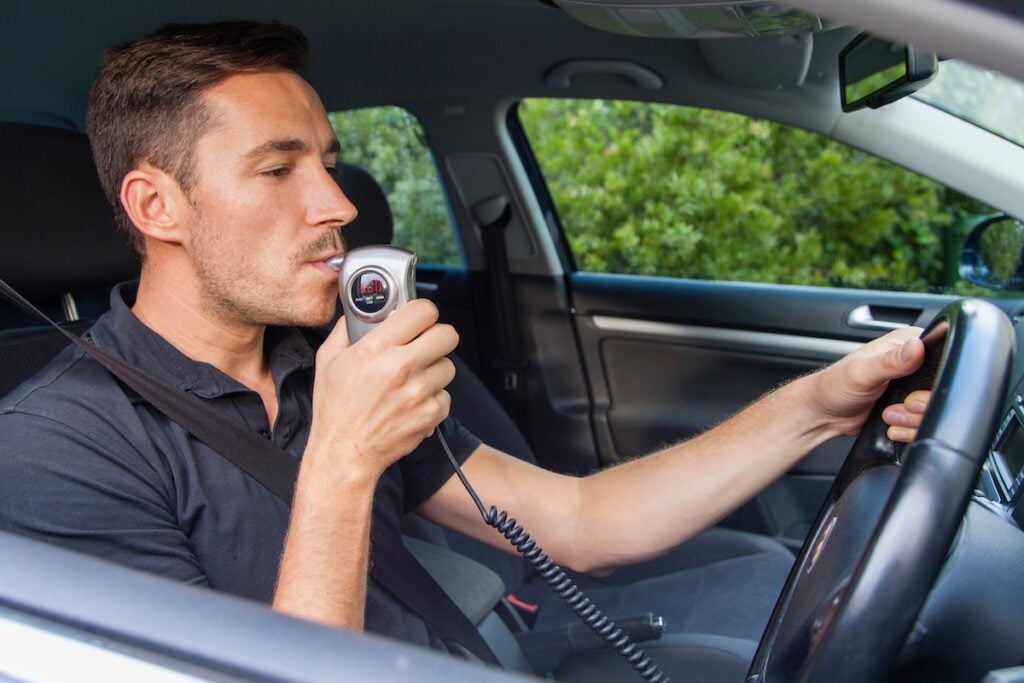
How a 4th Degree DWI Affects Your Record
A fourth-degree DWI conviction becomes part of your criminal record. This can affect:
- Employment background checks
- Professional licensing
- Insurance premiums
- Future criminal charges
Minnesota uses prior DWI offenses to enhance future charges. This means a second offense within ten years may result in a higher-level DWI charge with more severe penalties.
4 Key Steps to Take After a 4th Degree DWI Charge
If you have been charged with a fourth-degree DWI, there are several important steps to be aware of as your case moves forward.
1. Understand Your Court Dates and Deadlines
After being charged, you will receive notice of your court appearance. Missing a court date can result in additional penalties, including a warrant for your arrest. It is important to keep track of all scheduled hearings and deadlines.
2. Address License Revocation Quickly
Minnesota allows drivers to challenge license revocation through an implied consent hearing, but there are strict time limits. Acting within the required timeframe is necessary if you intend to contest the revocation.
3. Review the Evidence in Your Case
DWI cases often involve evidence such as:
- Breath, blood, or urine test results
- Officer observations
- Field sobriety tests
- Body camera or dash camera footage
Reviewing this evidence is a key part of understanding the strength of the case.
4. Comply With Court and Administrative Requirements
Depending on the situation, you may be required to complete:
- Chemical use assessments
- Educational programs
- Probation conditions
Following these requirements can affect how your case is resolved and whether additional penalties are imposed.
What the State Must Prove
In a fourth-degree DWI case, the prosecution must prove the required elements beyond a reasonable doubt. This generally includes:
- That the person was driving, operating, or in physical control of a vehicle
- That the person was impaired or had a BAC of 0.08 or higher
If the state cannot prove these elements, a conviction cannot be sustained.
Common Legal Issues in DWI Cases
Each case is different, but certain legal issues often arise. These may include:
- Whether the traffic stop was lawful
- Whether testing procedures were properly followed
- Whether the evidence is reliable and admissible
- Whether the person was actually in physical control of the vehicle
These issues are evaluated based on the facts of each case and the applicable law.
Long-Term Considerations
Even though a fourth-degree DWI is a misdemeanor, it can still have long-term effects. These may include:
- Increased insurance costs
- Future charge enhancements
- Impact on employment or housing applications
Minnesota law allows for expungement in some cases after a waiting period, but eligibility depends on specific circumstances.
Talk to a Criminal Defense Attorney About Your Next Steps
A 4th degree dwi mn charge can lead to criminal penalties, license consequences, and long-term effects on your record. Understanding the process and your legal options is an important part of moving forward.
The Law Offices of Josh Johnson focuses exclusively on criminal defense in Minnesota, including DWI cases. If you are facing a fourth-degree DWI charge, contact our office for a free consultation. We can review your situation and help you understand the next steps based on Minnesota law.
