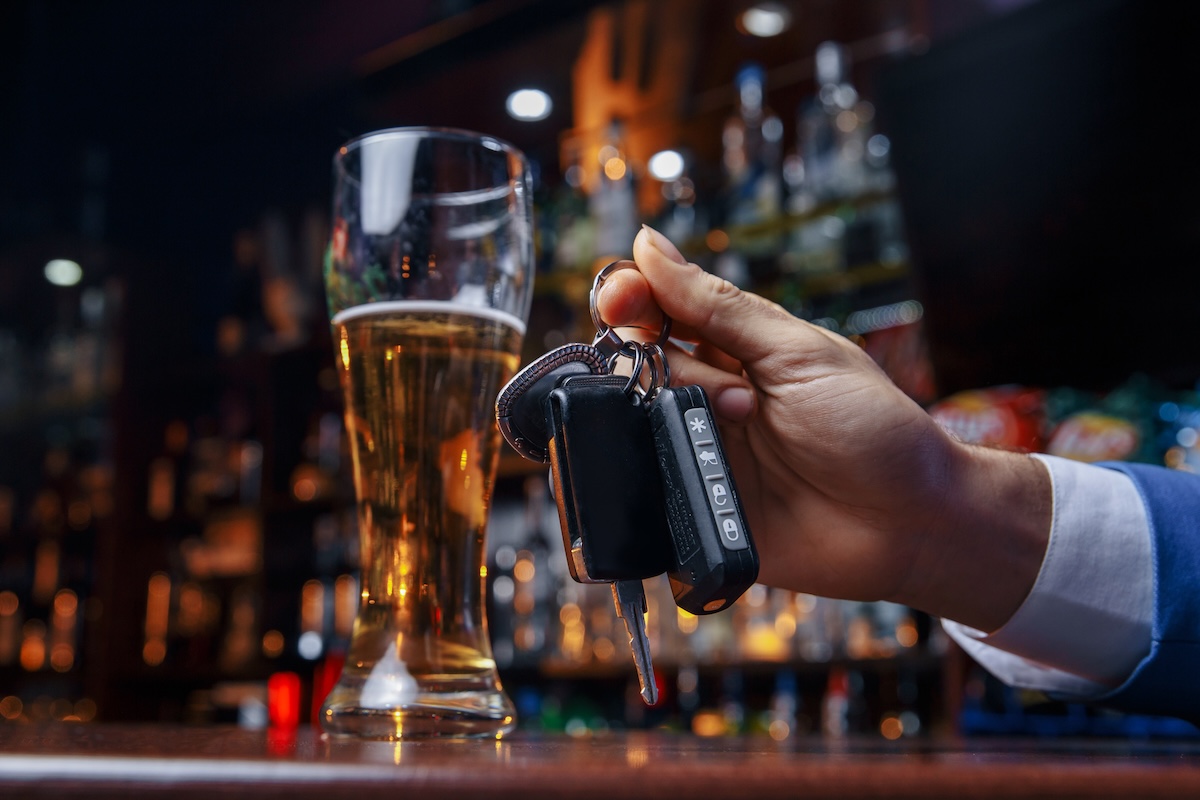
New DWI laws in Minnesota took effect on August 1, 2025, and they represent the biggest overhaul of the state’s impaired driving rules in more than a decade. Governor Tim Walz signed HF 2130 into law on May 22, 2025, after the legislation passed with overwhelming bipartisan support (126-5 in the House and 66-0 in the Senate) in the wake of the Park Tavern crash that killed two people and injured twelve others in St. Louis Park. The new law extends how far back Minnesota looks at prior DWI convictions, expands ignition interlock requirements, adds mandatory treatment before full license reinstatement, and creates new criminal charges for driving without required equipment. These changes affect thousands of Minnesota drivers, including many whose DWI convictions are decades old. This guide breaks down the eight most important changes and what they mean if you are arrested for DWI in Hennepin, Ramsey, Dakota, Anoka, or any other Minnesota county today.
- What HF 2130 changed: A plain-English overview of the 2025 DWI law and why it was passed.
- The eight key updates: Specific new rules on lookback periods, interlock, treatment, and penalties.
- What it means for drivers: How the new law affects license loss, reinstatement, and defense strategy.
Why Minnesota Passed New DWI Laws in 2025
The changes signed into law in May 2025 did not happen by accident. They were a direct response to a devastating crash in the Twin Cities that put a national spotlight on repeat impaired driving and gaps in Minnesota’s existing laws.
What Was HF 2130 and Who Passed It?
HF 2130 was a comprehensive DWI reform bill that made sweeping changes to Minnesota Statutes Chapter 169A (the DWI chapter) and Chapter 171 (driver’s licensing). It was authored in the Minnesota House and passed the Senate with unanimous approval (66-0) and nearly unanimous House support (126-5). Governor Walz signed the bill on May 22, 2025, and almost all of its provisions took effect August 1, 2025. The bill was one of the highest-profile public safety measures of the 2025 legislative session, and it received bipartisan backing that is rare in a divided legislature.
- Bill number: HF 2130 in the 94th Minnesota Legislature.
- Signed by Walz: Governor Tim Walz signed the bill into law on May 22, 2025.
- Bipartisan vote: 126-5 in the House and 66-0 in the Senate.
- Effective date: Most provisions took effect August 1, 2025.
What Triggered the New Law?
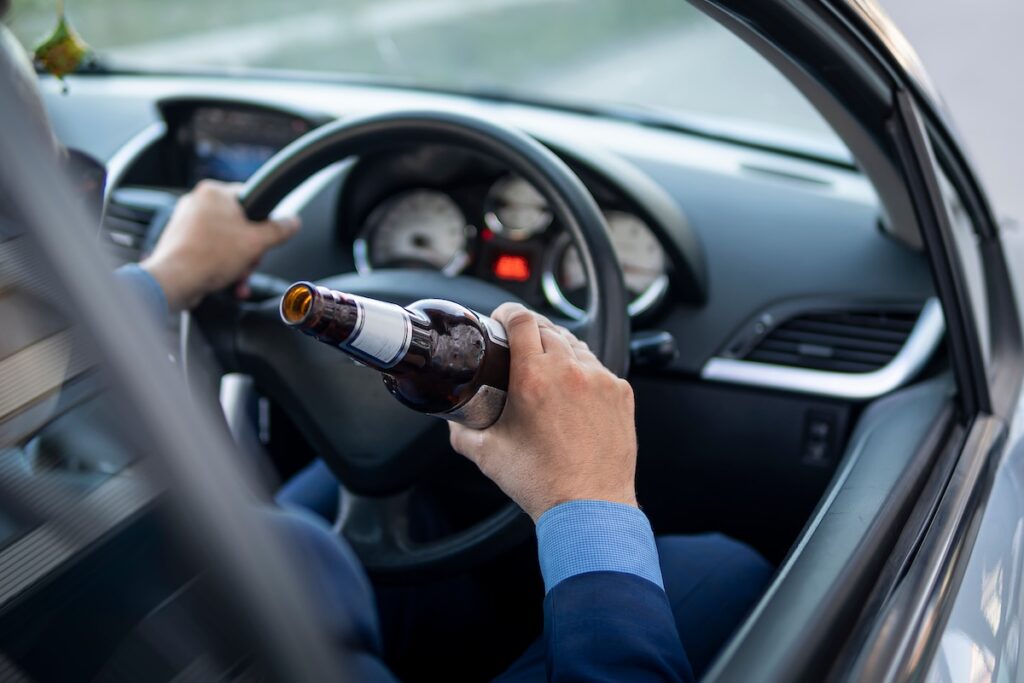
The Park Tavern crash on September 1, 2024, was the immediate trigger for the reform. A driver whose blood alcohol content was more than four times the legal limit crashed into the crowded patio of the Park Tavern in St. Louis Park, killing two 30-year-old victims (Kristina Folkerts and Gabe Harvey) and injuring twelve others. The driver had a prior DWI conviction, which highlighted gaps in how Minnesota tracked and penalized repeat offenders. Community outrage, victim family advocacy, and pressure from law enforcement and prosecutors all pushed lawmakers to pass tougher legislation. HF 2130 was the direct result of that effort.
- Park Tavern crash: The September 1, 2024 tragedy that killed two and injured twelve.
- Repeat offender concerns: The driver’s prior DWI showed limits of the old lookback system.
- Bipartisan pressure: Victim families, prosecutors, and law enforcement pushed for reform.
- Public safety focus: The law targets repeat offenders while adding treatment for all offenders.
8 Major Changes in Minnesota’s DWI Laws Since August 2025
The following eight changes are the most important updates every Minnesota driver should know about. Each one changes how DWI arrests, license loss, and reinstatement work under the new system.
1. The Lookback Period Doubled From 10 to 20 Years
The single biggest change under HF 2130 is that Minnesota now looks back 20 years at prior DWI convictions for administrative purposes, up from the previous 10 years. This affects license revocation periods, ignition interlock requirements, and reinstatement conditions. A DWI conviction from 2007 that would have been outside the old 10-year window now counts as a prior offense in 2026. Practically, this means far more Minnesota drivers now face enhanced administrative penalties, mandatory ignition interlock participation, and longer license revocations. The 20-year lookback applies to license and interlock rules; the separate criminal charging framework under Minn. Stat. § 169A.03 still has its own lookback periods for deciding whether a DWI is a misdemeanor, gross misdemeanor, or felony.
- From 10 to 20 years: The administrative lookback window doubled effective August 1, 2025.
- Old convictions count: A 2007 DWI is now a prior offense in 2026.
- Applies to license and interlock: Revocation lengths and interlock requirements both extend.
- Criminal charging separate: Prosecutors still use § 169A.03 for degree of charge decisions.
According to the Minnesota Office of the Revisor of Statutes, HF 2130 explicitly amended Minn. Stat. § 169A.52 and related sections to require that “if the person has one qualified prior impaired driving incident within the past 20 years, or two or more qualified prior impaired driving incidents,” the driver must use an ignition interlock device before the license is reinstated, replacing the prior 10-year window that had been in the statute for years.
2. Temporary Driving Period Extended From 7 to 14 Days
Under the old law, drivers who failed or refused a chemical test after a DWI arrest received a temporary license good for only seven days before their revocation took effect. HF 2130 extended that temporary period to 14 days, doubling the window drivers have to consult with an attorney, request an implied consent hearing, or enroll in the ignition interlock program before losing driving privileges. This is one of the few driver-friendly changes in the new law, giving people a fairer opportunity to protect their license before administrative action begins. Missing the deadline still has serious consequences, but the extra week can make a real difference.
- 7 to 14 days: Temporary license validity doubled after test refusal or failure.
- More time to act: Drivers now have two full weeks to consult an attorney and take action.
- Applies to arrest and plate impoundment: Both temporary licenses and vehicle permits extended.
- Deadline still critical: Missing the 14-day window still triggers automatic revocation.
3. Longer Minimum Ignition Interlock Periods
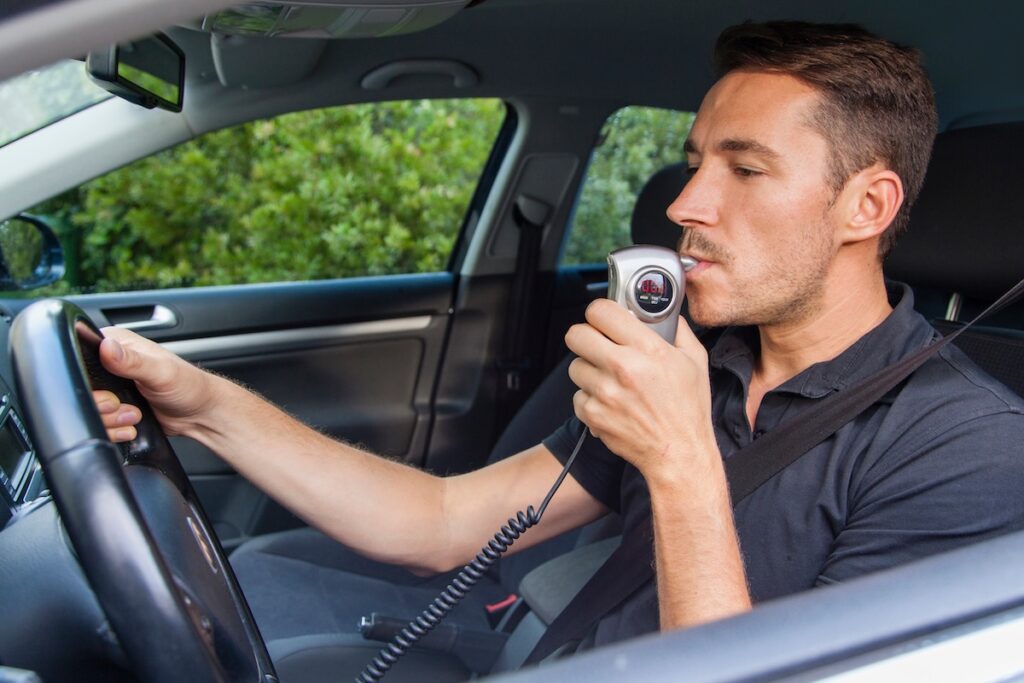
HF 2130 significantly extended the minimum time drivers must participate in the ignition interlock program before regaining full driving privileges. The new minimum periods are two years for one prior DWI in 20 years, six years for two priors, and ten years for three or more priors. Drivers involved in criminal vehicular homicide cases involving alcohol face even longer periods, up to lifetime interlock requirements for those with multiple priors involved in fatal crashes. Under the old law, the maximum interlock period was six years for four or more offenses. The new tiers dramatically extend how long drivers must use the device before their license is fully restored.
- 2 years: One prior DWI within 20 years now requires two years of interlock participation.
- 6 years: Two prior DWIs trigger a mandatory six-year interlock period.
- 10 years: Three or more prior DWIs require at least a decade of interlock use.
- Lifetime possible: Fatal crashes with prior DWIs can trigger lifetime interlock requirements.
4. Mandatory Treatment Before Full Reinstatement
For the first time, HF 2130 requires drivers to complete a licensed substance use disorder treatment or rehabilitation program before the Department of Public Safety will reinstate their full driving privileges. This applies to drivers whose licenses were revoked as described in the applicable sections of Chapter 169A and Chapter 171, including many repeat offenders and some first-time offenders whose chemical use assessment recommended treatment. Under the old law, treatment was often recommended but not required for reinstatement. The new mandatory treatment rule is one of the most significant changes for drivers who want to eventually regain unrestricted driving privileges.
- Treatment mandatory: Licensed substance use disorder programs now required before full reinstatement.
- Applies broadly: Repeat offenders and some first-time offenders both affected.
- State-approved programs: Only licensed treatment or rehabilitation programs count.
- Documentation required: Drivers must submit proof of completion to the commissioner.
5. New Gross Misdemeanor for Driving Without Required Interlock
The new law created a fresh criminal charge for drivers who operate a vehicle without a functioning ignition interlock device when their license requires one. Under HF 2130’s amendments to Minn. Stat. § 171.09 and § 171.24, this offense is now a gross misdemeanor punishable by up to 364 days in jail and a $3,000 fine. Previously, this kind of violation was often handled as a lower-level misdemeanor or as an administrative violation of the interlock program. Prosecutors now have a new tool to charge drivers who try to circumvent interlock requirements, and the penalty is significantly steeper. This change makes non-compliance with the interlock program much riskier.
- New gross misdemeanor: Driving without required interlock now carries up to 364 days in jail.
- Effective August 1, 2025: Applies to crimes committed on or after that date.
- Applies to restricted license holders: Anyone with an interlock-restricted license is affected.
- Bigger risk than before: Under the old law, this was often just an administrative violation.
6. Criminal Vehicular Homicide and Operation Drivers Now in Interlock Program
Under the previous law, drivers convicted of criminal vehicular homicide (CVH) or criminal vehicular operation (CVO) involving alcohol had a limited path back to driving privileges. HF 2130 made these drivers eligible for the ignition interlock program, closing a prior gap in the law and allowing them to eventually drive again under strict monitoring. However, they now face much longer required interlock periods (up to lifetime in the most serious cases) and must complete treatment before reinstatement. The change gives these drivers a defined path to eventual restoration, while imposing significant supervision.
- CVH and CVO covered: Drivers convicted of these offenses can now enter the interlock program.
- Long interlock periods: Six years or more for many CVH and CVO cases involving alcohol.
- Treatment required: Full reinstatement requires completion of a licensed treatment program.
- Lifetime possible: Fatal cases with multiple priors can trigger lifetime interlock use.
7. Extended License Cancellation Periods for Repeat Offenders
The new law changed several rules for license cancellation, extending the mandatory periods for drivers with multiple qualifying priors. Drivers with two or more qualified prior impaired driving incidents now face cancellation and denial of their driving privileges as inimical to public safety under Minn. Stat. § 171.04, subdivision 1, clause (10). To regain a license after cancellation, drivers must complete the interlock program, finish substance use disorder treatment, and establish rehabilitation according to standards set by the commissioner. Effectively, the threshold for lifetime-style consequences moved down a step, making the third DWI a bigger deal than it used to be.
- Two priors trigger cancellation: Drivers with two or more qualified priors face inimical designation.
- Cancellation requires rehab: Reinstatement requires proof of rehabilitation to state standards.
- Interlock program required: Reinstatement always requires completion of interlock participation.
- Higher stakes on repeat offenses: Fewer priors now trigger the harshest license outcomes.
8. New Judicial Review of Interlock Program Extensions
HF 2130 also created a new right of judicial review under Minn. Stat. § 171.19 for drivers whose license revocation, suspension, or cancellation has been extended based on violations of the ignition interlock program guidelines. Under the previous law, drivers had limited ability to challenge these administrative extensions in court. The new rule lets drivers petition the district court in their county of residence to review whether the commissioner’s extension decision was valid or should be modified. The petition must be filed within 180 days of the extension notice or before the withdrawal period expires, whichever comes first. This gives drivers a meaningful check on department decisions that used to be nearly impossible to challenge.
- New court review right: Drivers can now challenge interlock extension decisions in court.
- 180-day deadline: Petition must be filed within 180 days of the commissioner’s notice.
- District court venue: Petitions are filed in the driver’s county of residence.
- Modification possible: Courts can modify extensions rather than only affirm or deny them.
What the New DWI Laws Mean for Minnesota Drivers Today
The combined effect of these eight changes is that Minnesota’s DWI system in 2026 is significantly harsher and more far-reaching than it was before August 2025. Understanding the new rules is essential for anyone who has been arrested for DWI or has a prior conviction that may now be relevant again.

Who Is Most Affected by the New Rules?
Drivers with prior DWI convictions from 11 to 20 years ago are the biggest new group affected by HF 2130. Under the old 10-year lookback, those convictions no longer counted for administrative purposes. Under the new 20-year lookback, they suddenly do. Drivers with any prior DWI now face longer license loss, mandatory interlock, and mandatory treatment. Drivers arrested for their first DWI face a temporary license extension (good news) but also potential mandatory treatment (challenging news). Drivers previously convicted of CVH or CVO involving alcohol have a new but longer path back to the road.
- Older prior offenders: Drivers with DWIs from 11-20 years ago are the biggest new group affected.
- First-time offenders: Get more time to act but may face mandatory treatment.
- Repeat offenders: Face much longer interlock periods and license loss.
- CVH/CVO drivers: Have a new but demanding path to eventual license restoration.
How Does the New Law Change Defense Strategy?
The new rules make an experienced DWI defense attorney more important than ever. The stakes for a conviction (or even administrative license loss without a conviction) are dramatically higher now. Defense attorneys must think about the 20-year lookback, the extended interlock periods, mandatory treatment, and the new gross misdemeanor for driving without required interlock all at once. This creates more reasons to fight the case aggressively at every stage, including the initial traffic stop, chemical testing, implied consent hearing, criminal case, and any interlock program disputes. The window for effective defense action opens the moment of arrest and closes fast.
- Higher stakes: Every DWI arrest now carries longer-term consequences than before.
- More defense angles: Attorneys must address criminal case, license, interlock, and treatment issues.
- Two full weeks matter: The 14-day temporary license gives attorneys more time to intervene.
- Fight both cases: The criminal case and civil license case must be handled together.
Frequently Asked Questions
Does the 20-year lookback apply to me if my DWI was before August 1, 2025?
Yes, the 20-year lookback applies to any DWI arrest occurring on or after August 1, 2025, regardless of when your prior conviction happened. If you had a DWI in 2010 and get arrested for a new DWI in 2026, that 2010 conviction now counts as a prior offense for administrative purposes. Your criminal charging exposure follows a separate framework under Minn. Stat. § 169A.03.
How much does an ignition interlock device cost in Minnesota?
Ignition interlock devices in Minnesota typically cost around $100 for installation, plus monthly monitoring fees of $70 to $100 depending on the provider. Over a two-year minimum period, the total cost usually runs between $2,000 and $3,000, all paid by the driver. Indigent participants may qualify for a discounted rate through certified manufacturers.
What happens if I refuse the chemical test after a DWI arrest now?
Test refusal is still a separate crime under Minn. Stat. § 169A.20, Subd. 2, and still triggers automatic license revocation. Under the new law, you now have 14 days of temporary driving privileges before revocation begins, up from seven days. Refusal often carries worse consequences than failing a test, so always talk to a defense attorney before making that decision if possible.
Can I still drive to work under the new law?
Yes, but only if you enroll in the ignition interlock program and meet all requirements. Under HF 2130, most drivers with a prior DWI within 20 years must use an ignition interlock device to drive at all after their revocation begins. There is no separate work permit that bypasses the interlock requirement for these drivers.
Are the new DWI laws retroactive?
The lookback rules apply to arrests occurring on or after August 1, 2025, using prior convictions from any date. The new gross misdemeanor for driving without interlock applies to conduct committed on or after August 1, 2025. Convictions from before that date are not automatically reopened, but old priors do count for calculating new penalties.
Do these changes affect underage DWI or commercial DWI?
Yes, drivers under 21 still face zero tolerance rules at any detectable alcohol, plus the general DWI rules if they blow 0.08 or higher. Commercial drivers still face the 0.04 BAC standard. Both groups now fall under the 20-year lookback for administrative penalties and the new interlock and treatment requirements when they apply.
Protect Your Driving Privileges With The Law Offices of Josh Johnson
The 2025 changes to Minnesota’s DWI laws have raised the stakes for every driver in the state, and the difference between hiring an experienced defense attorney and going it alone can now mean the difference between years of interlock supervision and getting your life back on track. The Law Offices of Josh Johnson defends DWI clients across Hennepin, Ramsey, Dakota, Anoka, and Washington counties, combining detailed knowledge of the updated Chapter 169A rules with a strategic approach that addresses the criminal case, the implied consent license action, the interlock program, and any treatment requirements at the same time. Josh Johnson personally reviews every traffic stop, chemical test result, and interlock program decision to find the weaknesses that can lead to reduced charges, preserved driving privileges, or dismissed cases. If you have been arrested for DWI under the new laws or are facing a license revocation that reaches back further than you expected, contact The Law Offices of Josh Johnson today for a free, confidential consultation and find out what defenses apply to your case before your 14-day temporary license expires.
