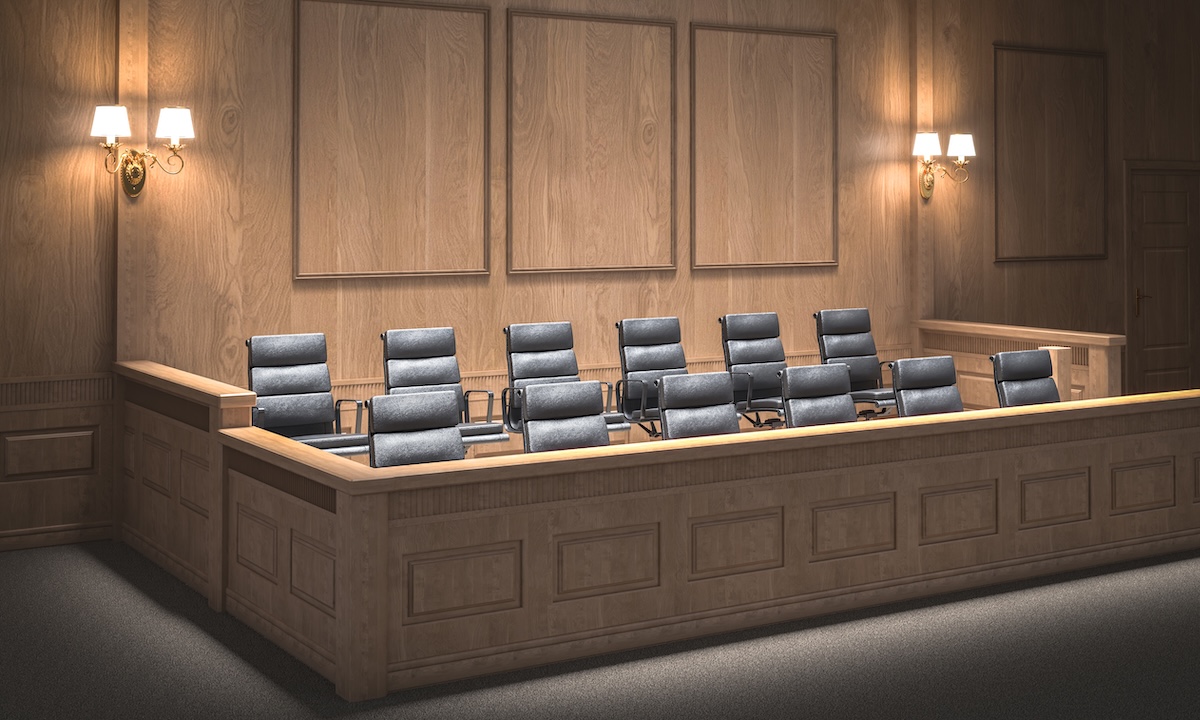
“What happens after a mistrial” is one of the most confusing questions in Minnesota criminal law, and the answer can range from being retried within weeks to walking free with the charges permanently dropped. A mistrial is a legal do-over that ends the current trial without a verdict, and it can happen for many reasons: a deadlocked jury, misconduct by a lawyer or juror, prejudicial evidence being shown by mistake, or a serious illness or emergency involving a juror or witness. Once a mistrial is declared, the case does not automatically end. In fact, in most cases the state can and will try again, though the way that happens depends heavily on why the mistrial was declared and what the defense does next. This guide walks through the four most common outcomes after a mistrial in Minnesota courts and what each one means for defendants.
- Why mistrials happen: A plain-English look at the reasons courts declare mistrials in Minnesota.
- Four possible outcomes: The specific paths a case can take once a mistrial is declared.
- What to do next: How defendants can protect themselves and position for the best result.
Understanding What a Mistrial Actually Means
A mistrial is a court order that ends a trial before a verdict is reached because something has gone so wrong that a fair trial is no longer possible. It is not the same as an acquittal, and it does not automatically end the case.
What Causes a Mistrial in Minnesota?
Minnesota judges declare mistrials for several main reasons, most commonly when a jury cannot reach a unanimous verdict after extended deliberations (called a hung jury or deadlocked jury). Other causes include serious misconduct by a juror (like discussing the case with outsiders or researching evidence online), improper conduct by a lawyer (like referring to inadmissible evidence in front of the jury), a witness offering excluded testimony, a juror or key witness falling seriously ill, or some other disruption that makes a fair verdict impossible. The judge has broad discretion to decide when a mistrial is necessary, and both the prosecution and the defense can request one. Sometimes the judge declares a mistrial on their own initiative when the problem is severe.
- Hung juries: The most common cause, when jurors cannot agree unanimously on a verdict.
- Juror misconduct: Discussing the case, researching evidence, or other rule violations by jurors.
- Attorney misconduct: Mentioning inadmissible evidence or making improper arguments.
- Emergencies: Serious illness, death, or safety issues affecting jurors or key witnesses.
Is a Mistrial Different From an Acquittal?
Yes, and understanding the difference is critical. An acquittal is a formal finding of not guilty by the jury or judge, and it permanently ends the case because the Double Jeopardy Clause of the Fifth Amendment and Article I, Section 7 of the Minnesota Constitution both prohibit retrying someone who has been acquitted. A mistrial, on the other hand, simply ends the current trial without any verdict at all. In most situations, the state can retry the case, sometimes as soon as a new jury can be assembled. Many defendants mistakenly celebrate a mistrial thinking their case is over, only to learn weeks later that the prosecution has scheduled a new trial. Knowing the difference from day one helps defendants make better decisions with their attorney about what comes next.
- Acquittal is final: A jury or judge finding of not guilty ends the case permanently.
- Mistrial is not final: The trial ends but the case usually continues.
- Retrial is common: Most mistrials lead to a second trial unless the state decides otherwise.
- Double jeopardy protection is limited: Mistrials rarely trigger double jeopardy protection against retrial.
4 Possible Outcomes After a Mistrial in Minnesota
The four outcomes below are the most common paths a Minnesota case takes after a mistrial. Which one applies depends on the reason for the mistrial, the strength of the state’s case, and the strategic decisions made by both sides in the weeks that follow.
1. The Case Is Retried From the Beginning
The most common outcome after a mistrial in Minnesota is a full retrial with a new jury, new opening statements, and a fresh presentation of all the evidence. The prosecution and defense may adjust their strategies based on what happened at the first trial, but they generally start from square one procedurally. In hung jury cases, the state usually gets one automatic chance at a retrial without needing any special justification, because the U.S. Supreme Court has held that a hung jury creates the “manifest necessity” for a mistrial and does not trigger double jeopardy protection. Retrials often happen within a few months of the mistrial, though scheduling depends on the court’s calendar in Hennepin, Ramsey, or wherever the case is pending. Both sides typically use the time between trials to review the transcript, identify what worked and what did not, and refine their approach.
- New jury required: A fresh panel of jurors is selected for the second trial.
- Same evidence usually: Both sides can present the same witnesses and exhibits again.
- Adjusted strategy: Attorneys often refine arguments based on what happened at the first trial.
- Manifest necessity: Hung juries generally allow retrial without double jeopardy problems.
2. The Prosecutor Decides Not to Retry the Case
Sometimes the prosecutor reviews the outcome of the first trial and decides that a second trial is not worth pursuing. This happens most often when the jury vote was heavily in favor of acquittal (say, 10 jurors voting not guilty and only 2 voting guilty), when a key witness has become unavailable or unwilling to testify again, when new evidence has emerged undermining the case, or when the political and practical costs of retrying outweigh the benefits. The Hennepin County Attorney’s Office and other Minnesota county attorneys have limited resources and prosecute thousands of cases each year, so weak cases with a losing track record are sometimes dropped after a hung jury. A defense attorney can push this outcome by making the prosecutor’s decision as difficult as possible: preserving witness testimony, gathering new evidence, and making it clear that a second trial will be aggressively contested.
- Heavy acquittal splits: Votes of 10-2 or 11-1 for acquittal often signal to prosecutors to drop.
- Missing witnesses: Unavailable or reluctant witnesses can make retrial impractical.
- New evidence: Facts uncovered after the first trial can change the calculus.
- Defense pressure: Aggressive defense positioning can encourage prosecutors to drop cases.
3. The Parties Reach a Plea Deal Before Retrial
Many cases that end in a mistrial are resolved through negotiated plea deals before a retrial actually happens. Both sides now have detailed information about the strengths and weaknesses of the case, which often makes negotiations more realistic than they were before trial. Prosecutors who watched jurors struggle to convict may be willing to offer reduced charges, and defendants who saw close calls may be willing to accept a plea rather than risk a conviction the second time around. Common outcomes include reducing felony charges to gross misdemeanors, dismissing some counts while pleading guilty to others, or agreeing to a stay of adjudication where the case is dismissed if the defendant successfully completes probation. Skilled defense attorneys use the mistrial as leverage to negotiate the best possible resolution.
- Better information: Both sides now understand the case’s real strengths and weaknesses.
- Charge reductions: Felonies sometimes plead down to gross misdemeanors after mistrials.
- Partial dismissals: Some counts may be dropped in exchange for pleas on others.
- Stay of adjudication: Successful probation can result in dismissal and a clean record.
According to the Minnesota Office of the Revisor of Statutes, Rule 28.02, subdivision 2(2)(b)(3) of the Minnesota Rules of Criminal Procedure expressly allows a defendant in a felony or gross misdemeanor case to appeal an order “denying a motion to dismiss a complaint following a mistrial, and the defendant claims retrial would violate double jeopardy,” giving Minnesota defendants a specific and important right to challenge a proposed retrial in the appellate courts.
4. Retrial Is Barred by Double Jeopardy
In rare but important cases, retrial after a mistrial is barred by the Double Jeopardy Clause, and the charges must be dismissed. This happens most often when the mistrial was caused by prosecutorial misconduct so severe that a court finds the prosecutor was trying to “goad” the defense into requesting a mistrial to get a second chance at a weak case. The Minnesota Supreme Court confirmed this narrow rule in State v. Lerma (2025), holding that double jeopardy only bars retrial when the district court or prosecutor intentionally provoked the defense’s motion for a mistrial. When the standard is met, the defense can file a motion to dismiss the charges under this rule, and if the trial court denies it, Rule 28.02 of the Minnesota Rules of Criminal Procedure gives felony and gross misdemeanor defendants the right to appeal that denial before any retrial happens. Winning a double jeopardy motion is difficult but not impossible.
- Prosecutorial goading: The high standard for barring retrial requires intentional misconduct.
- Judge misconduct also counts: Judicial provocation can also trigger the double jeopardy bar.
- Right to appeal: Defendants can appeal a denied double jeopardy motion before retrial.
- Rare but powerful: Successful double jeopardy motions end the case permanently.

What to Do in the Weeks After a Mistrial
The period immediately after a mistrial is one of the most important stretches in a Minnesota criminal case. Decisions made in these weeks shape whether the case ends favorably, results in a plea deal, or heads back to trial for another round.
How Should Defendants Prepare for What Comes Next?
The first step is to stay in close contact with the defense attorney and follow all court orders including conditions of release. Bail terms usually remain in place after a mistrial, and violating them can lead to arrest and worse conditions before the next trial. The defense attorney will review the trial transcript, identify what worked and what did not, and plan how to attack any weaknesses in the state’s case for the retrial (or to negotiate a resolution). Defendants should not talk about the case with anyone except their attorney, not post on social media, and not contact witnesses. Any misstep can hurt the case just when the state is deciding whether to retry.
- Follow release conditions: Bail terms usually stay in place after a mistrial.
- Stay silent: Do not discuss the case with anyone but your defense attorney.
- Avoid social media: Posts, photos, and comments can become new evidence.
- No witness contact: Reaching out to witnesses can lead to additional charges.
How Does a Defense Attorney Use a Mistrial Strategically?
Skilled defense attorneys treat a mistrial as a strategic opportunity, not just a temporary setback. They study the trial transcript to understand how the jury reacted to each piece of evidence, identify witnesses whose credibility was successfully attacked, and plan improvements for the retrial. They also assess whether the prosecutor’s case is likely to be stronger or weaker the second time around, and use that assessment in negotiations. A hung jury with a strong lean toward acquittal is powerful leverage for pushing the state to drop the case or offer favorable plea terms. Attorneys also review whether any events during the first trial could support a double jeopardy motion or other pretrial defenses.
- Transcript review: Detailed analysis of what worked and what did not.
- Juror insights: Post-verdict juror interviews (where allowed) provide strategic information.
- Negotiation leverage: Favorable hung jury splits are powerful bargaining chips.
- New defenses: Events during the first trial can support new pretrial motions.
Frequently Asked Questions
Can I be retried after a hung jury in Minnesota?
Yes, in almost all cases. A hung jury (one that cannot reach a unanimous verdict) creates what courts call “manifest necessity” for a mistrial, and the state generally has the right to try the case again. The prosecutor decides whether to retry, and many cases with badly split juries are dropped, but as a legal matter the state can pursue a second trial.
How long does the state have to retry a case after a mistrial?
Minnesota does not set a specific deadline for retrial after a mistrial, but the constitutional right to a speedy trial and the Interstate Agreement on Detainers still apply. Most retrials happen within three to six months of the mistrial, depending on court calendars and the complexity of the case. A defense attorney can move to dismiss if the state delays unreasonably.
Does my bail stay the same after a mistrial?
Usually yes, but the court can reassess conditions of release after a mistrial. If a hearing is scheduled, both sides can argue for changes based on what happened at the first trial. Defendants who complied fully during the first trial often have their existing bail terms continued, while defendants who created problems may face stricter conditions.
Can I file for double jeopardy after any mistrial?
No, only in narrow circumstances. Double jeopardy generally bars retrial only when the mistrial was caused by intentional misconduct by the prosecutor or judge designed to “goad” the defense into requesting the mistrial. Most mistrials, including all hung jury cases, do not trigger double jeopardy protection. A defense attorney can evaluate whether the standard is met in your specific case.
Will the second trial be different from the first?
Yes and no. The basic procedure and law are the same, but both sides usually adjust their strategy based on what worked and what failed the first time. New witnesses may appear, evidence may be presented differently, and the jury will be entirely new. Sometimes the trial is much shorter because both sides are more focused; sometimes it is longer because new issues arise.
What happens to the evidence and witnesses between trials?
Physical evidence generally remains in custody with the prosecuting agency or the court. Witnesses who testified at the first trial may be recalled to testify at the second, but they can also become unavailable due to illness, relocation, or reluctance to testify again. Preserved testimony from the first trial can sometimes be used if a witness cannot appear at the retrial.

Move Forward Confidently With The Law Offices of Josh Johnson
A mistrial can feel like a strange combination of relief and dread: relieved that the current trial ended without a conviction, dreading what comes next when the state decides whether to try again. The Law Offices of Josh Johnson represents Minnesota clients through mistrials and retrials across Hennepin, Ramsey, Dakota, Anoka, and Washington counties, applying detailed knowledge of Minnesota’s mistrial and double jeopardy rules under the Rules of Criminal Procedure and Article I of the Minnesota Constitution to every case. Josh Johnson personally reviews the trial transcript, identifies weaknesses in the state’s case, evaluates double jeopardy motions where the facts support them, and negotiates aggressively with prosecutors who may be looking to avoid a second trial. If your case has ended in a mistrial or you are facing a possible retrial anywhere in the Twin Cities area, contact The Law Offices of Josh Johnson today for a free, confidential consultation and find out what defenses and strategies apply to your case before the state files its next move.
