
If you are wondering will a hit-and-run claim raise my insurance rates, the answer is that it depends on several factors, including who was at fault, what type of coverage you use, and your insurer’s underwriting rules. In Minnesota, insurance companies are allowed to adjust premiums based on risk, but they must follow state insurance regulations when doing so.
A hit-and-run situation can feel frustrating and unfair. You did not cause the accident, yet you may still worry about how filing a claim will affect your premiums. Below is a clear explanation of how insurance companies typically handle hit-and-run claims and what you should consider before filing.
- Fault matters: Insurance companies look at whether you were responsible for the damage.
- Coverage type matters: Claims under collision or uninsured motorist coverage may be treated differently.
- Your history matters: Prior claims and driving record influence rate decisions.
- State law sets boundaries: Minnesota regulates how insurers evaluate and price policies.
Minnesota Law on Hit-and-Run Accidents
In Minnesota, leaving the scene of an accident without providing required information is a criminal offense. The law governing hit-and-run accidents is found in Minnesota Statute § 169.09. This statute applies whether the accident involves another vehicle, a parked car, property damage, injury, or death.
Under Minnesota law, a driver involved in a crash must:
- Stop at the scene or as close to it as possible
- Provide their name, address, and vehicle registration number
- Show their driver’s license if requested
- Render reasonable assistance if someone is injured, including calling 911 when necessary
Failing to do these things can result in criminal charges, and the severity depends on the outcome of the accident.
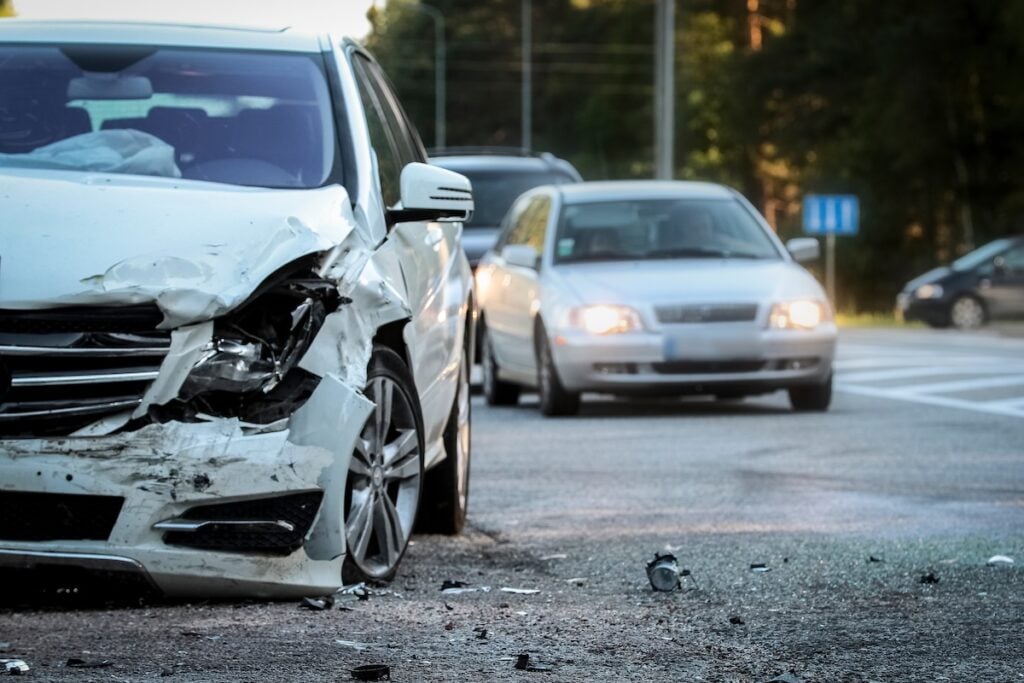
If the Accident Involves Property Damage Only
If a driver leaves the scene of an accident that only involves property damage, the offense is generally charged as a misdemeanor. This can include hitting another vehicle, a parked car, a mailbox, or other property.
However, if the damage is substantial or other aggravating factors are present, the penalties may increase.
If the Accident Involves Injury
If someone is injured and a driver leaves the scene without providing information or assistance, the charge becomes much more serious. Leaving the scene of an accident involving bodily injury is typically a felony in Minnesota.
Penalties can include:
- Significant fines
- Potential prison time
- License revocation
The severity increases further if the crash results in great bodily harm.
If the Accident Results in Death
Leaving the scene of an accident that results in death is also a felony and carries some of the most serious penalties under Minnesota traffic law. Convictions can lead to lengthy prison sentences and long-term loss of driving privileges.
Reporting Requirements
Minnesota law also requires drivers to report certain accidents to law enforcement. A crash must be reported if:
- Someone is injured or killed
- Property damage exceeds $1,000
Failing to report a qualifying accident can lead to additional penalties.
Why This Matters in Insurance Situations
When someone else leaves the scene after hitting your vehicle, that driver may face criminal consequences under Minnesota law. From an insurance standpoint, a police report is often necessary to support a claim under uninsured motorist or collision coverage.
If you are accused of leaving the scene of an accident, the situation becomes both a criminal and administrative matter. In addition to potential fines or jail time, your driver’s license may be revoked or suspended.
If a hit-and-run incident involves criminal allegations, speaking with a criminal defense attorney can help you understand how Minnesota law applies to your specific circumstances.
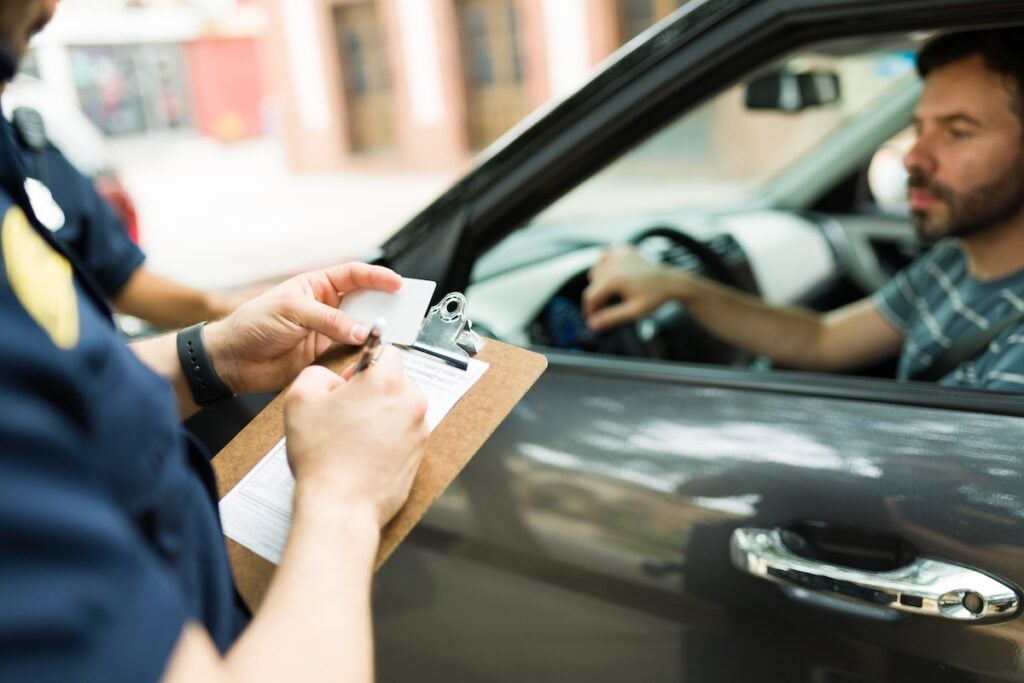
How Hit-and-Run Claims Are Handled in Minnesota
In Minnesota, drivers are required to carry minimum liability coverage. Many drivers also carry collision coverage and uninsured motorist coverage. A hit-and-run accident typically falls into one of two categories:
- Damage to your vehicle caused by an unidentified driver
- Injuries caused by a driver who left the scene and cannot be located
If the other driver is not identified, you cannot file a liability claim against them directly. Instead, you would typically use your own policy.
Depending on your coverage, a hit-and-run claim may be filed under:
- Collision coverage for vehicle damage
- Uninsured motorist coverage for bodily injury
- Uninsured motorist property damage coverage, if included in your policy
Minnesota requires uninsured and underinsured motorist coverage for bodily injury, but not all policies automatically include uninsured motorist property damage. The specific coverage available to you depends on your policy.
Does Filing a Hit-and-Run Claim Automatically Raise Rates?
There is no automatic statewide rule in Minnesota that requires insurance companies to increase your premiums after a hit-and-run claim. However, insurers are allowed to adjust rates based on claims history and perceived risk.
Generally speaking:
- If you are clearly not at fault, some insurers may treat the claim more favorably.
- If you use collision coverage, it may be treated similarly to an at-fault claim depending on company policy.
- If you have multiple recent claims, your overall risk profile may increase.
Each insurance company has its own underwriting guidelines. Minnesota law requires insurers to file rate plans with the state, but it does not prohibit rate increases following a not-at-fault accident.
Factors That Influence Whether Your Rate Increases
Insurance pricing is based on risk assessment. After a hit-and-run claim, insurers may evaluate several factors:
- Your prior accident history
- The number of claims filed in recent years
- The cost of the current claim
- Whether you have accident forgiveness benefits
- Your overall driving record
Some insurers offer accident forgiveness programs that prevent the first qualifying accident from increasing your rates. These programs vary by company and eligibility.
If the damage is minor and below your deductible, it may not make sense to file a claim. However, if repair costs exceed your deductible by a significant amount, filing may be reasonable.
Minnesota’s No-Fault Insurance System
Minnesota is a no-fault state for auto insurance. This means that after most accidents, your own insurance pays for your medical expenses through Personal Injury Protection (PIP), regardless of who caused the crash.
In a hit-and-run situation involving injuries:
- Your PIP coverage pays initial medical bills
- Uninsured motorist coverage may apply if the other driver is unidentified
Because PIP claims are part of Minnesota’s required coverage system, they may be treated differently from collision claims. However, insurers still consider overall claims activity when evaluating premiums.
6 Tips to Consider Before Filing a Hit-and-Run Claim
If you are deciding whether to file a claim, consider the following:
- Report the accident to police immediately. A police report is often required for uninsured motorist claims and helps document that it was a hit-and-run.
- Document everything. Take photos of vehicle damage, the scene, and any debris. Gather witness information if available.
- Review your deductible. Compare the estimated repair cost to your deductible. If the difference is small, filing may not be cost-effective.
- Check your policy details. Confirm whether you have collision coverage, uninsured motorist property damage, and accident forgiveness.
- Ask your insurer about rate impact. Some companies will provide general guidance about how a not-at-fault claim could affect premiums.
- Avoid delaying notification. Most policies require prompt reporting. Failing to notify your insurer quickly could complicate the claim.
Taking these steps can help you make an informed decision based on your specific situation.
When Hit-and-Run Claims May Affect Premiums
While not all hit-and-run claims result in higher rates, premium changes are possible in certain situations:
- If the insurer determines you were partially at fault
- If you have filed multiple claims in a short period
- If you have prior moving violations or accidents
- If the claim payout is substantial
Insurance companies use actuarial data to assess future risk. Even if you were not responsible for the accident, multiple claims may indicate higher exposure to loss in the insurer’s risk model.
When Rates May Not Increase
In some cases, your rate may remain unchanged:
- If you have a long history of safe driving
- If the insurer classifies the claim as fully not-at-fault
- If you qualify for accident forgiveness
- If the claim amount is relatively small
There is no universal rule. The outcome depends on your insurer’s policies and your personal driving and claims history.
Should You Avoid Filing a Claim?
Choosing not to file a claim may prevent a potential rate review, but it also means paying for repairs out of pocket. Consider:
- The total repair cost
- Your deductible amount
- Whether injuries are involved
- Your current claims history
If injuries occurred, filing may be necessary to access PIP or uninsured motorist benefits. In those cases, the medical protection aspect often outweighs concerns about premiums.

What If the Other Driver Is Found Later?
If the hit-and-run driver is identified after you file a claim, your insurer may pursue reimbursement from that driver’s insurance through a process called subrogation. If your insurer recovers funds, your deductible may be reimbursed.
This process does not automatically eliminate any premium adjustment, but it may affect how the claim is categorized internally.
Talk to a Professional If Legal Issues Arise
A hit-and-run situation can sometimes lead to additional legal complications, especially if there are allegations about who was at fault or whether someone left the scene. If you are accused of leaving the scene of an accident, that is a criminal offense in Minnesota and carries serious consequences.
The Law Offices of Josh Johnson focuses exclusively on criminal defense in Minnesota. If a hit-and-run incident involves criminal charges or an investigation, contact our office for a free consultation. We can review your situation and explain your legal options moving forward.
